
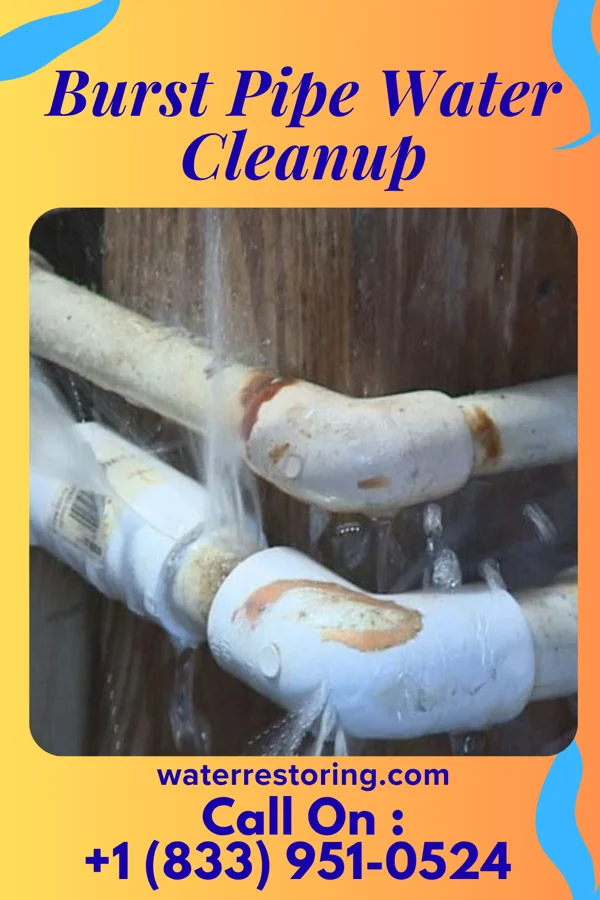
Why Burst Pipes Hit Falconer Hard
The pattern in Falconer is consistent. Falconer, located in Chautauqua County, experiences a mix of rural and suburban infrastructure, which can lead to older plumbing systems in residential areas. The presence of older homes with outdated piping increases the likelihood of pipe bursts, especially in areas near Jamestown, NY, where water pressure fluctuations are common. drives most of the emergency restoration calls we get. A close second is The rural nature of Falconer means that some areas may lack modern water distribution systems, increasing the risk of pipe bursts during extreme weather events. Additionally, the proximity to Celoron and Jamestown West, which have higher population densities, can lead to increased water demand and pressure on shared lines..
Falconer's climate plays a significant role in pipe burst risks, with freezing temperatures in winter and fluctuating weather patterns in spring contributing to the vulnerability of plumbing systems. Proper insulation and maintenance are essential to mitigate these risks.
Falconer's climate plays a significant role in pipe burst risks, with freezing temperatures in winter and fluctuating weather patterns in spring contributing to the vulnerability of plumbing systems. Proper insulation and maintenance are essential to mitigate these risks. The dominant local driver is Falconer, located in Chautauqua County, experiences a mix of rural and suburban infrastructure, which can lead to older plumbing systems in residential areas. The presence of older homes with outdated piping increases the likelihood of pipe bursts, especially in areas near Jamestown, NY, where water pressure fluctuations are common., with The rural nature of Falconer means that some areas may lack modern water distribution systems, increasing the risk of pipe bursts during extreme weather events. Additionally, the proximity to Celoron and Jamestown West, which have higher population densities, can lead to increased water demand and pressure on shared lines. showing up as the next most common cause. Damage builds in stages. Spread. Absorption. Microbial growth. Structural compromise. Every stage you pass through adds to the final bill.
For public guidance on the health effects of mold after prolonged water exposure, see the EPA mold and health page.